
Composite Bonding & Direct Composite Veneers
How Can We Help
We provide expert dental care, ensuring healthy, bright, and confident.
Working Hours
Monday - Friday
9:00AM - 5:30PM*
Saturday : Appointments available to arrange individually
Sunday
closed
* Lunch break: 1:00PM - 2:00PM
The Art of Bonding
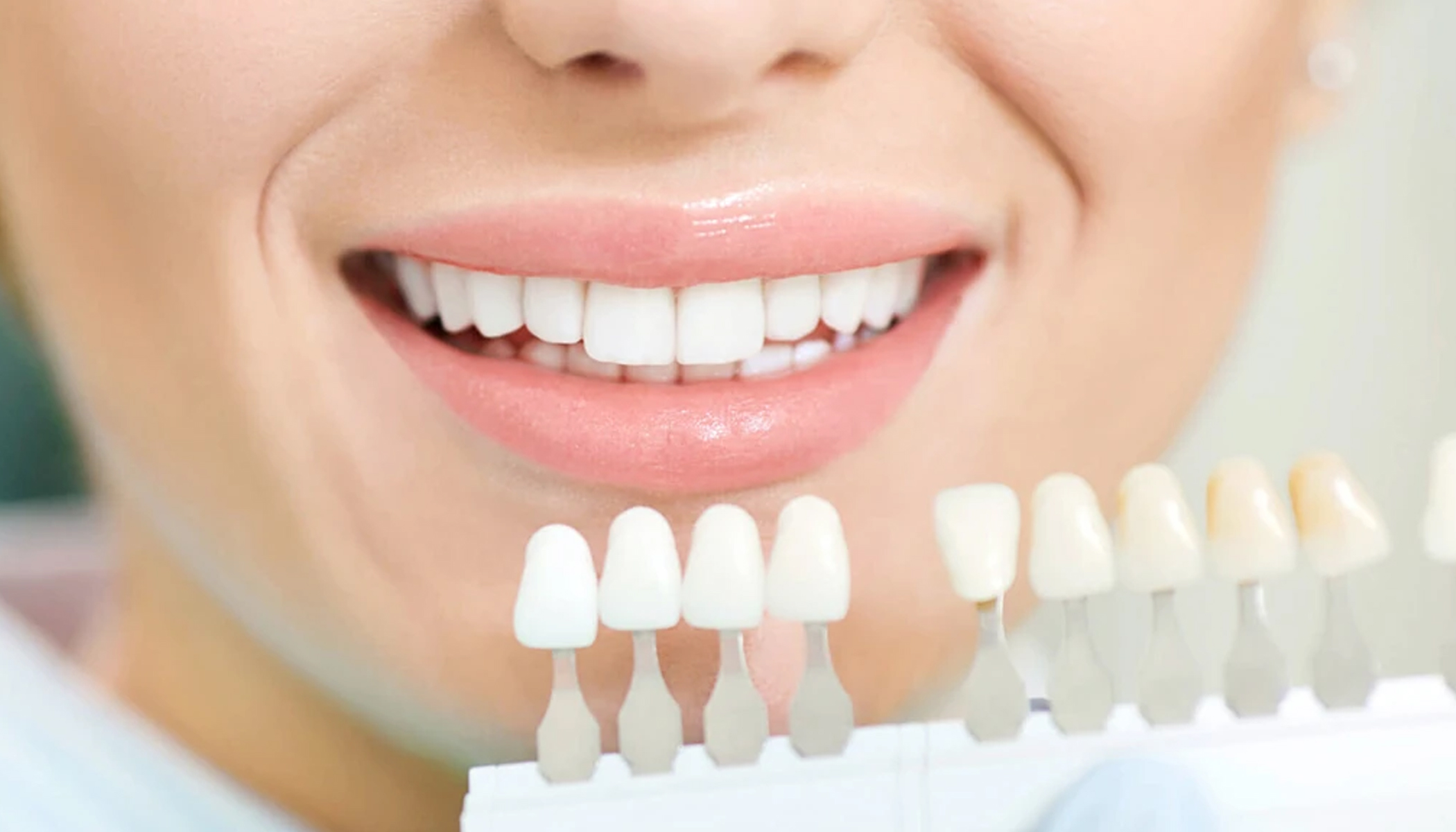
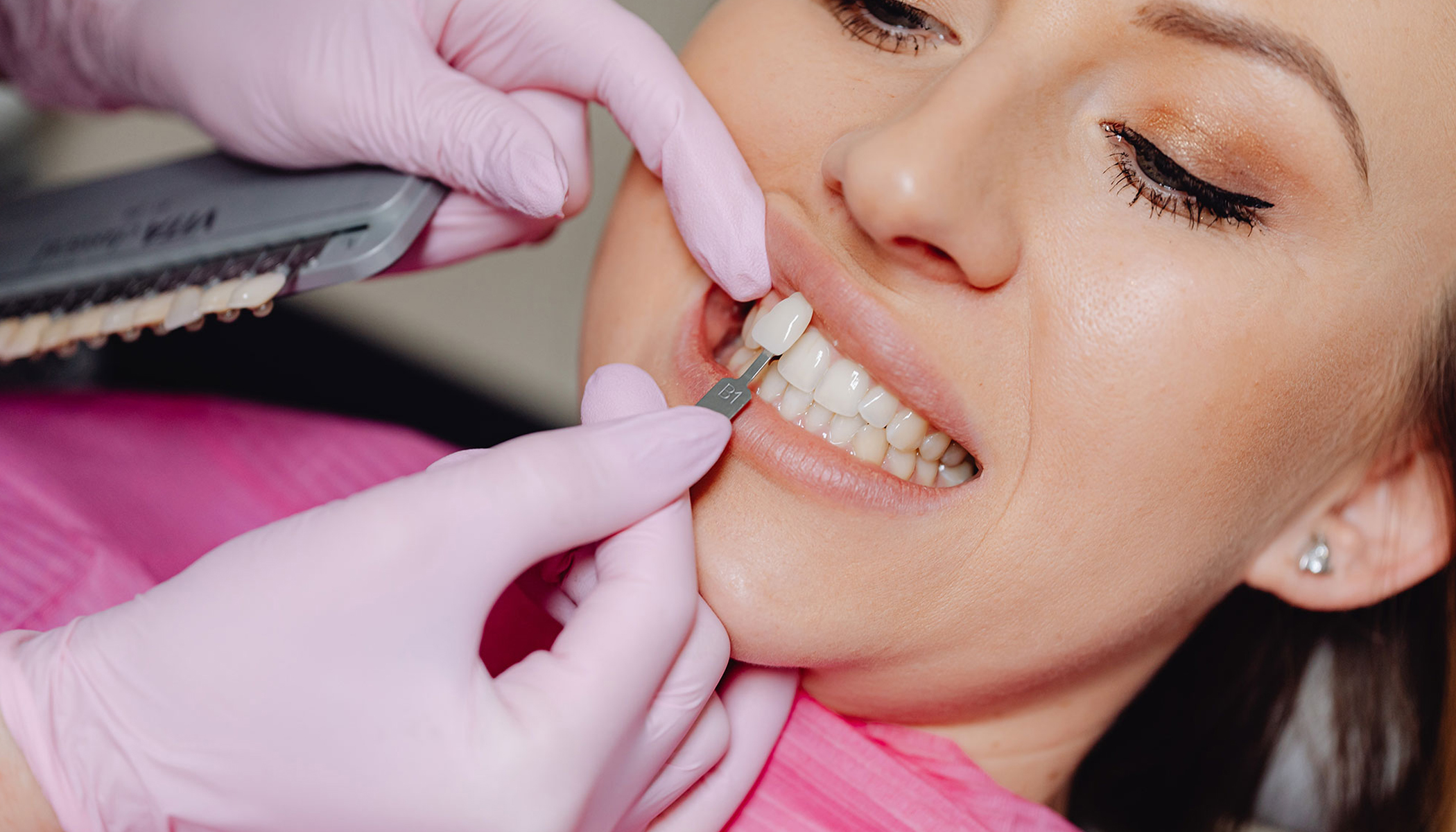
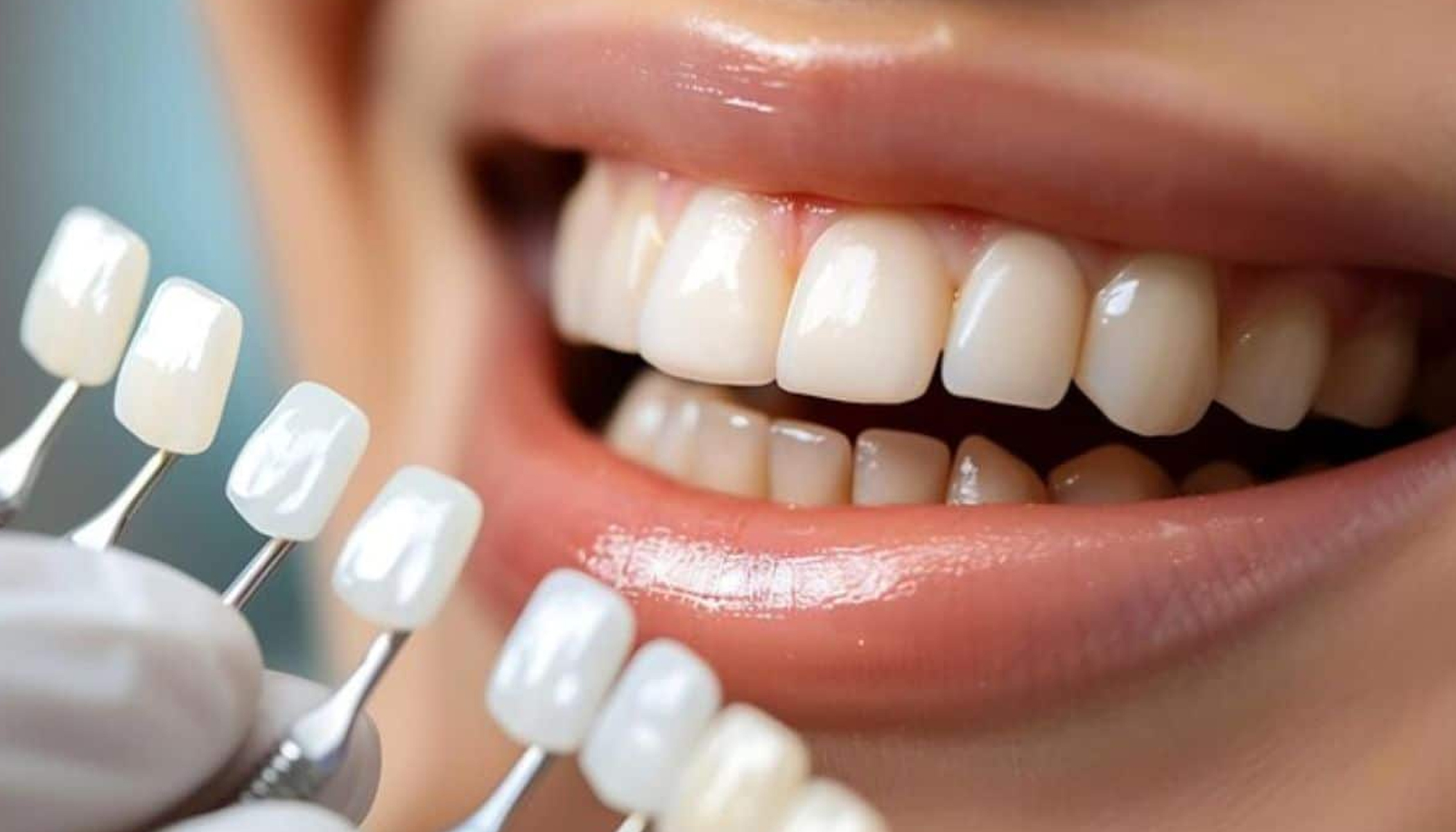
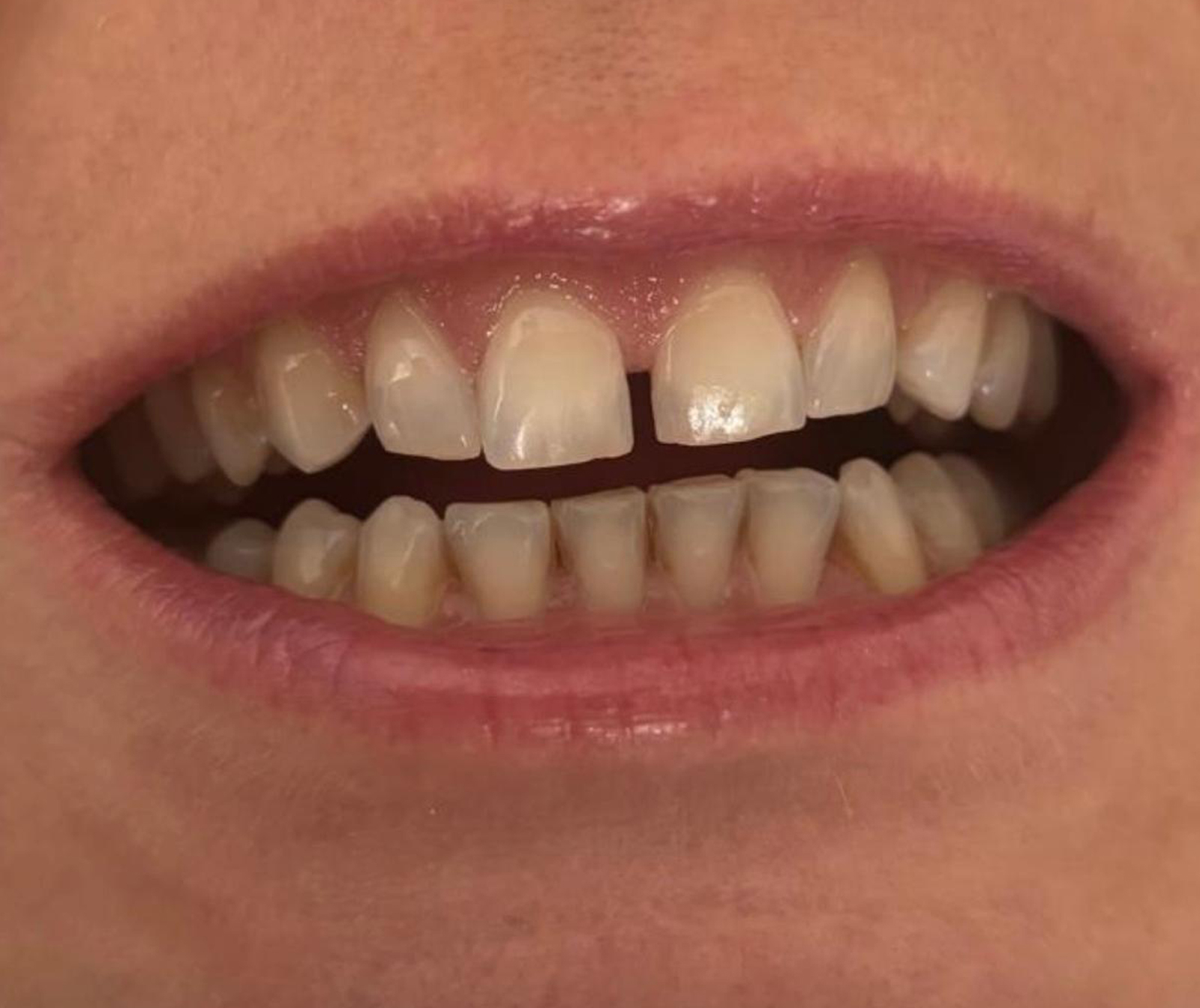
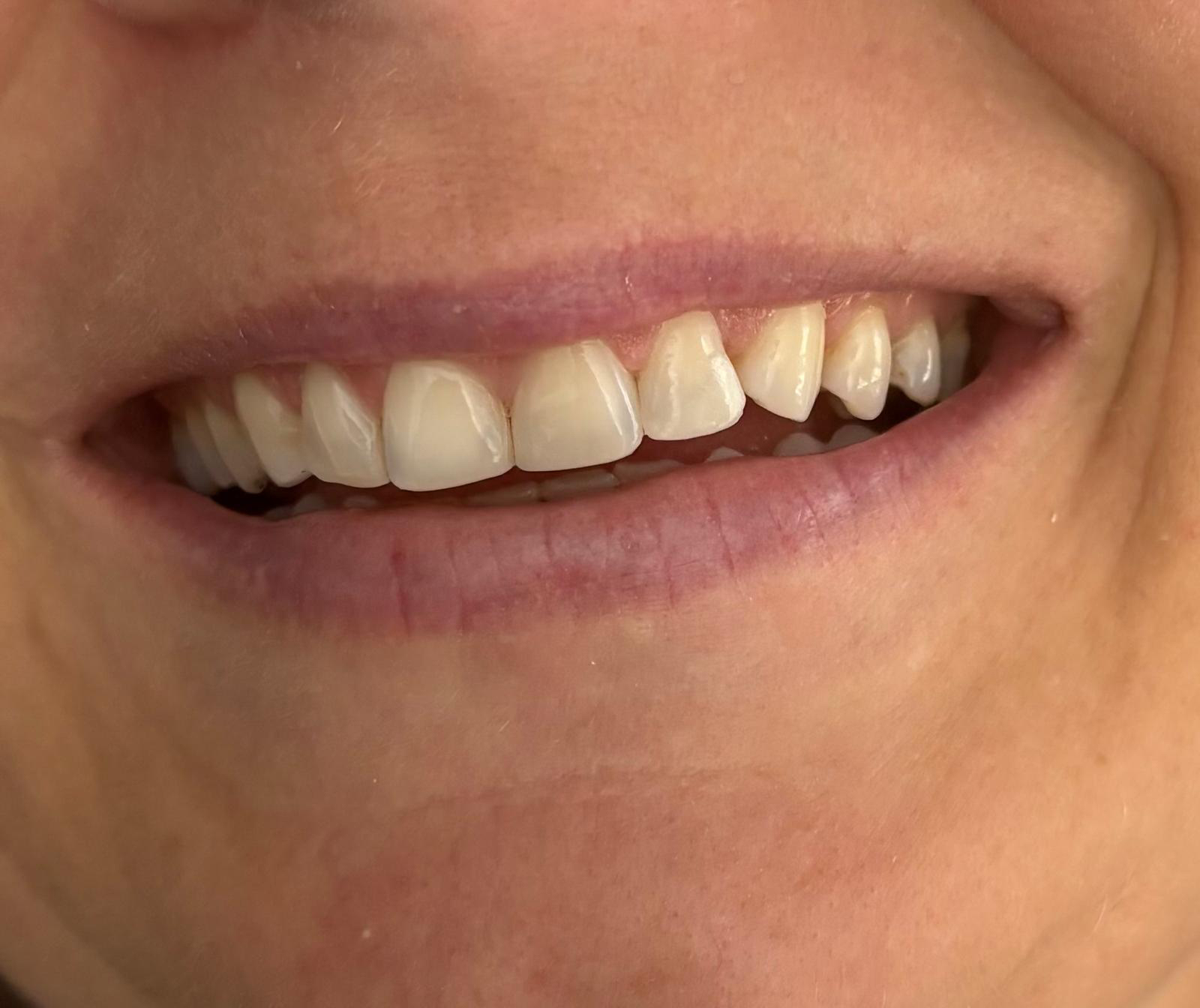
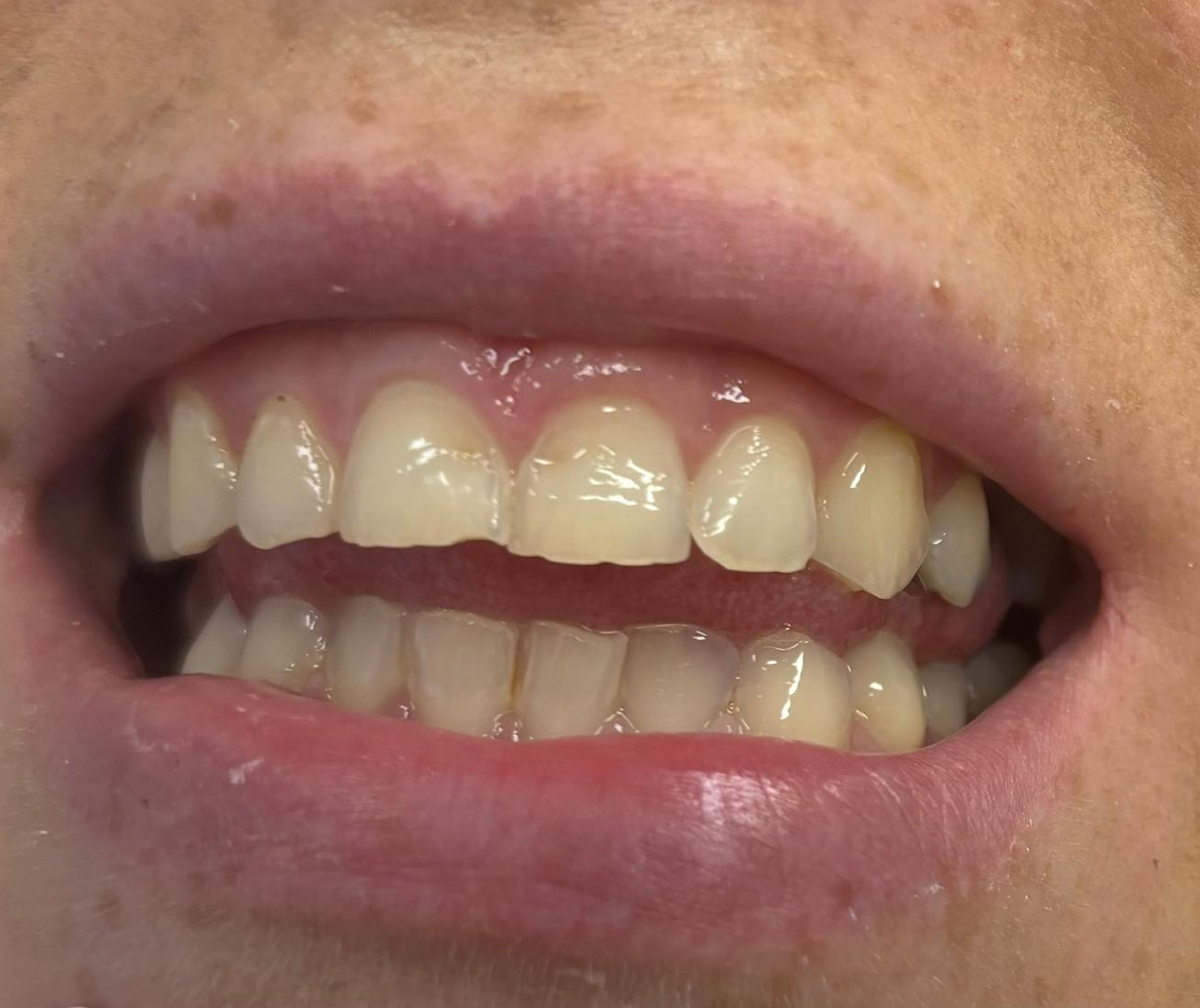
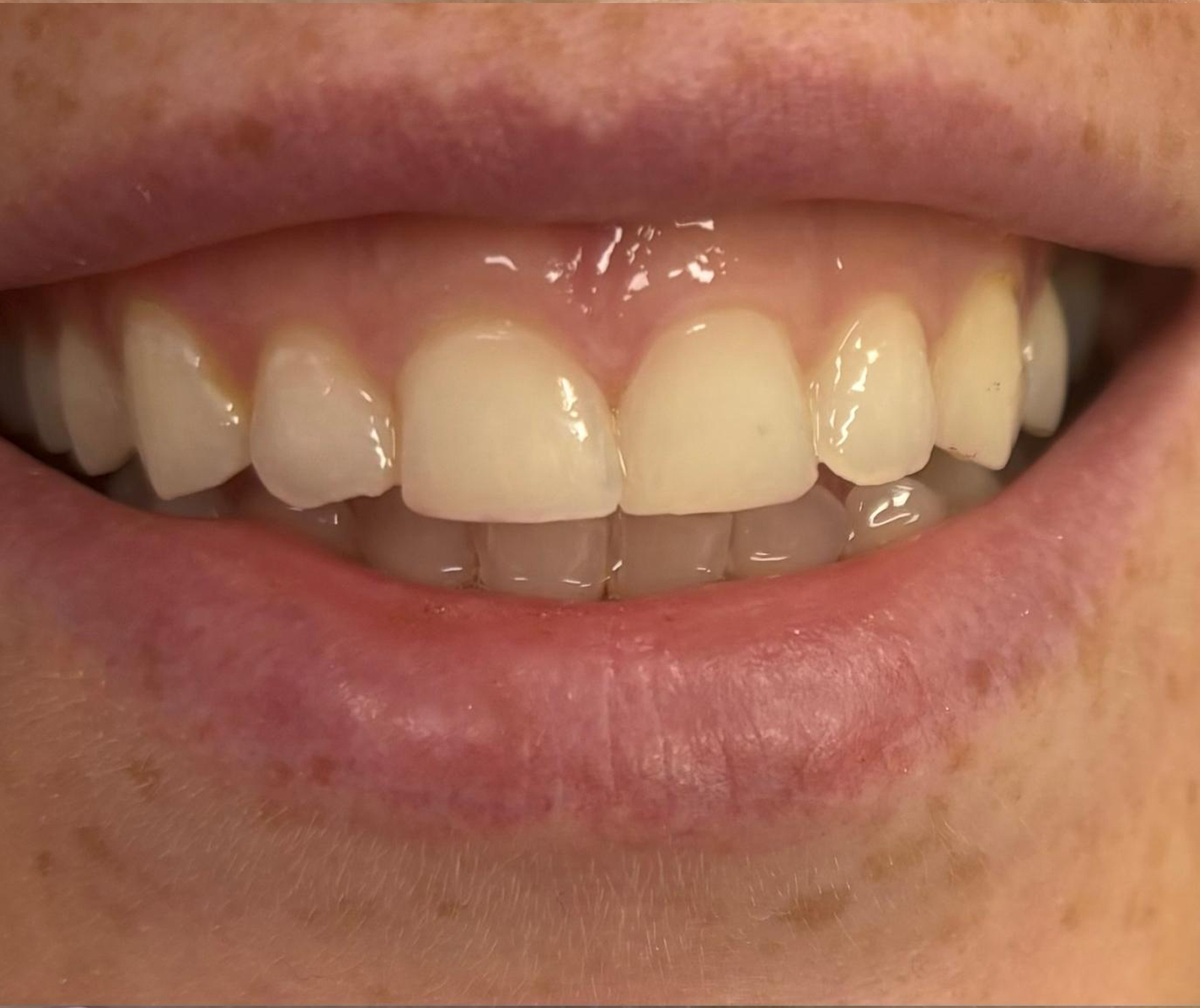
Composite bonding is a versatile, non-invasive cosmetic procedure designed to correct minor imperfections in just one visit. Using a high-grade dental resin, our clinicians skillfully “sculpt” the tooth to hide chips, close small gaps (diastemas), or smooth out uneven edges. Because the material is applied directly to your enamel, there is often no need for local anaesthetic or any drilling of the natural tooth.
Direct Composite Veneers
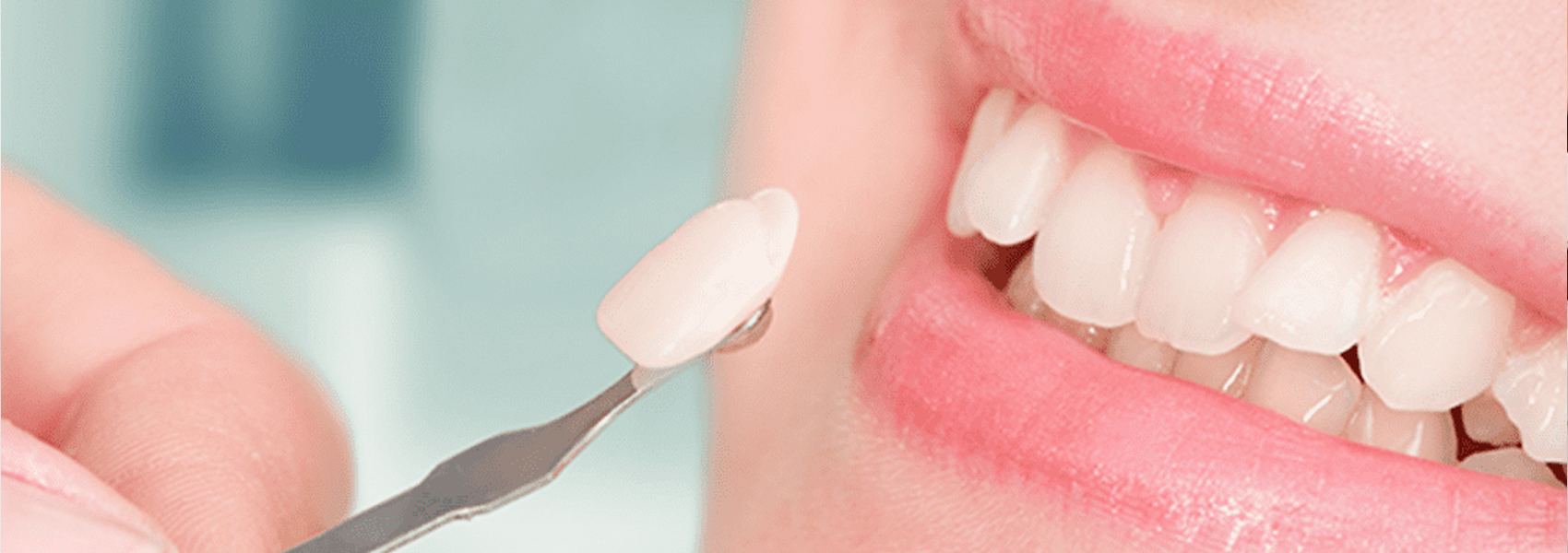
While traditional veneers are made in a lab, Direct Composite Veneers are handcrafted by our dentists right in the chair. We apply layers of resin over the entire front surface of the tooth to change its shade, shape, and size. This is an excellent, cost-effective alternative to porcelain veneers for patients looking for a “mini smile makeover” without a permanent reduction of their natural tooth structure.
Why Choose Bonding?
- Speed: Walk out with a transformed smile in a single appointment.
- Preservation: Your natural tooth remains completely intact underneath.
- Affordability: One of the most cost-effective ways to improve smile aesthetics.
Smile Makeovers & Health Success Stories
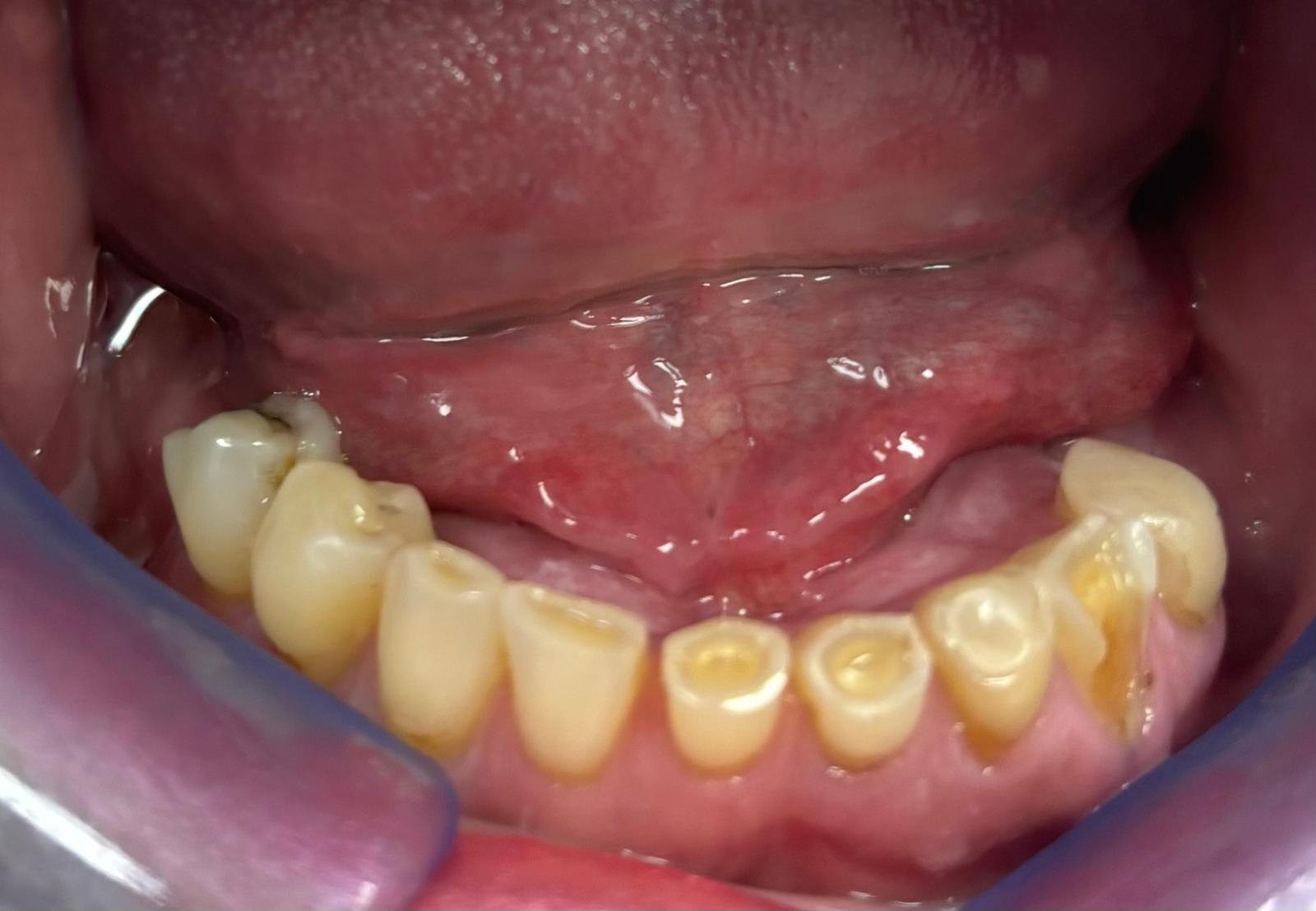
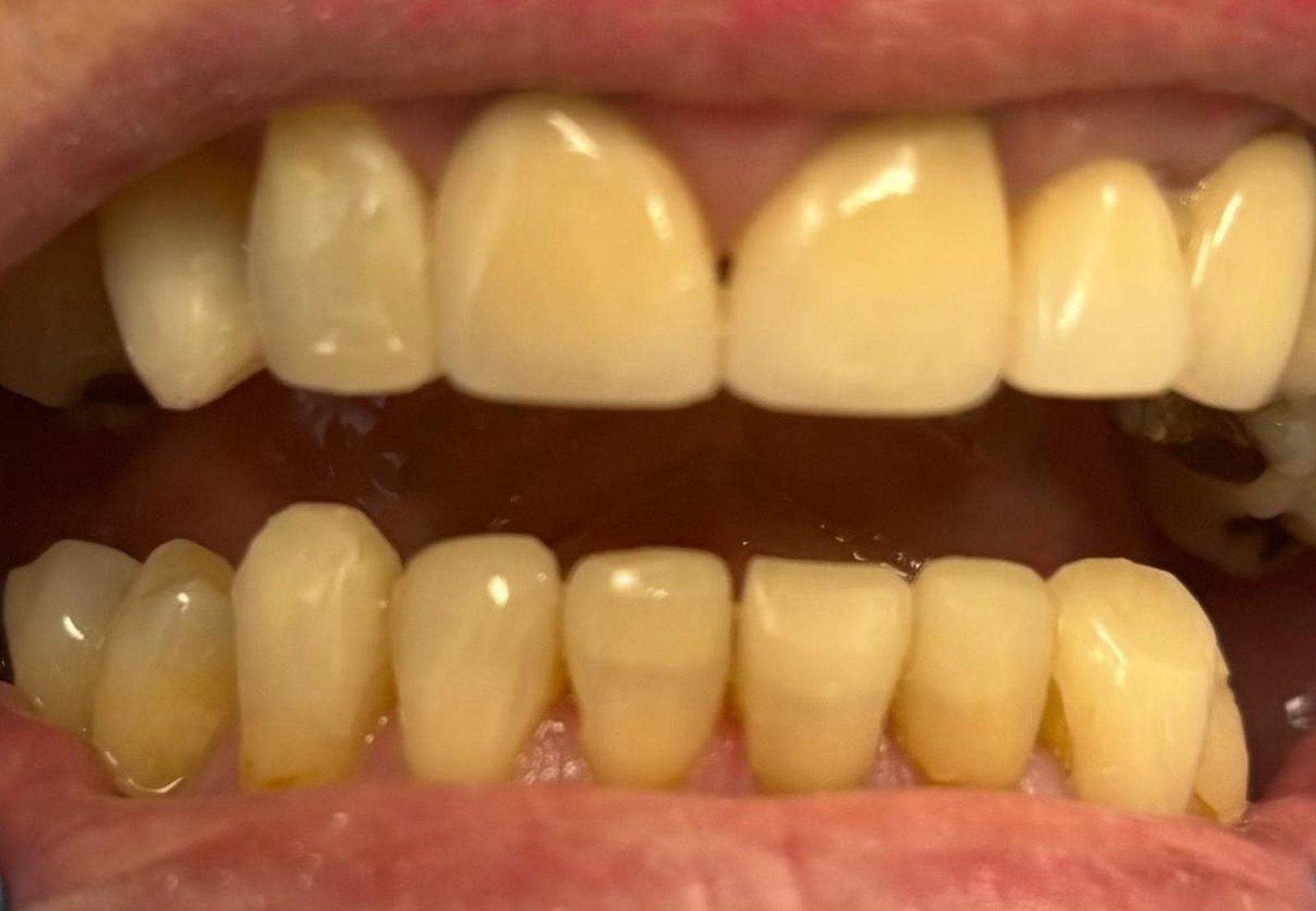
Complete Dental & Medical Care Under One Roof
What is exactly Composite Bonding?
Composite bonding is a treatment that relies on applying a composite resin to the surface of a tooth, sculpting it into shape, and then hardening and polishing it to match the surrounding teeth. This is a minimally invasive procedure that effectively improves dental imperfections.
How long does the bonding last?
This will depend on your overall dental hygiene and other lifestyle factors, such as smoking. Similar to white fillings, bonding procedures have an average lifespan of 3 to 7 years. The composite used in bonding is not as hard as porcelain, so bonded teeth are more prone to chipping and cracking. Luckily, such damage is easily repaired.
Can it close gaps?
Bonding can be used to close gaps between teeth in a similar way to dental veneers. However, dentists need to assess suitability because large gaps might require orthodontic treatment or dental implants.
Who is suited for bonding?
The procedure is suitable for patients with good overall oral hygiene, but all cases need to be assessed individually.
Is it possible to whiten the teeth with composite bonding?
Teeth whitening should be done prior to any bonding, as the shade of the bonding needs to be matched to the tooth colour. Once the bonding is placed, it is still possible to whiten the parts of the tooth that are not covered by the composite.